IBQ-MEC-516: Maximum strength with minimum weight
In outdoor clothing, workwear and footwear, the areas of greatest wear need more than just a durable fabric.
They need to withstand abrasion, snags, continuous rubbing and mechanical stress without turning the garment or footwear into a heavy, rigid or uncomfortable solution.
This balance between protection, durability and lightness This is especially important in environments such as forests, mountains, winter sports, or technical footwear, where every movement exposes certain areas to constant contact with aggressive surfaces.
IBQ-MEC-516 has been developed precisely to respond to this challenge.
THE CHALLENGE: PROTECTING THE AREAS THAT SUFFER THE MOST
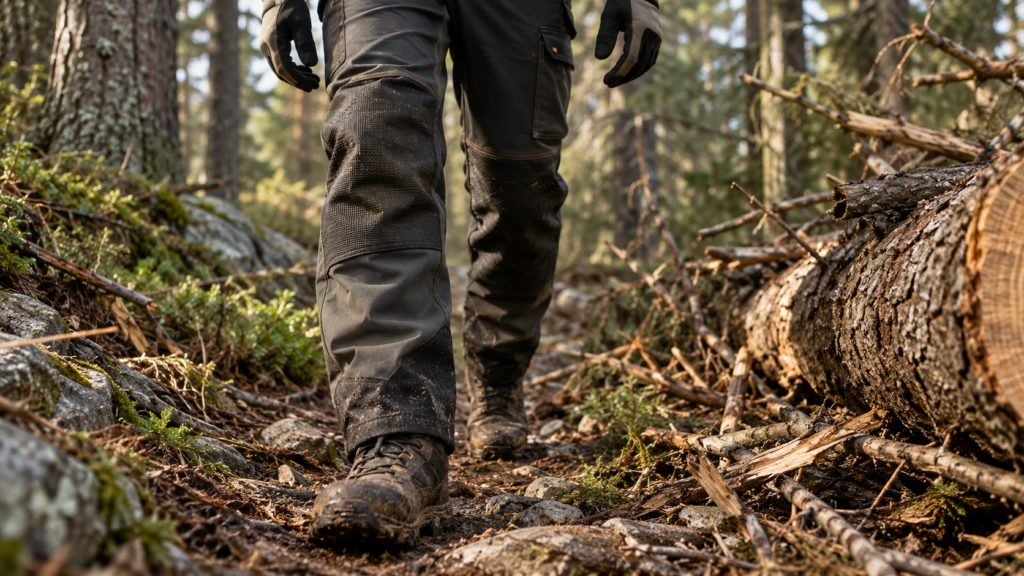
Trousers used in forestry work do not face the same conditions as a conventional garment.
Branches, bark, tools, stones, vegetation, rough surfaces and elements of the environment continually come into contact with knees, hems, sides and other areas of the garment.
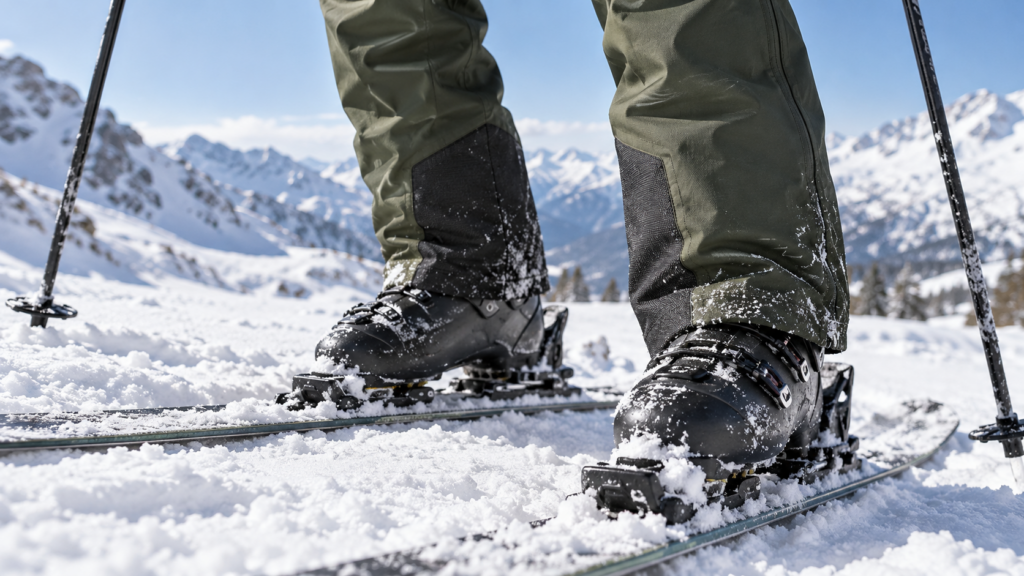
Something similar happens in outdoor applications. Hiking or ski pants can repeatedly rub against rocks, edges, boots, technical gear, or abrasive surfaces.
And in footwear, toe caps, sides and heels are subjected to thousands of cycles of flexing, rubbing and impact throughout the product's lifespan.
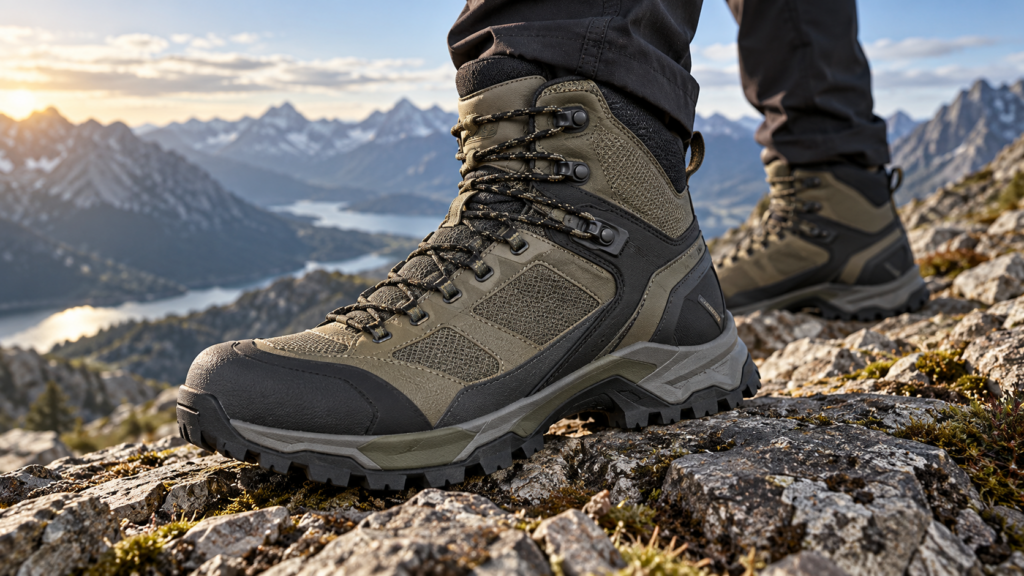
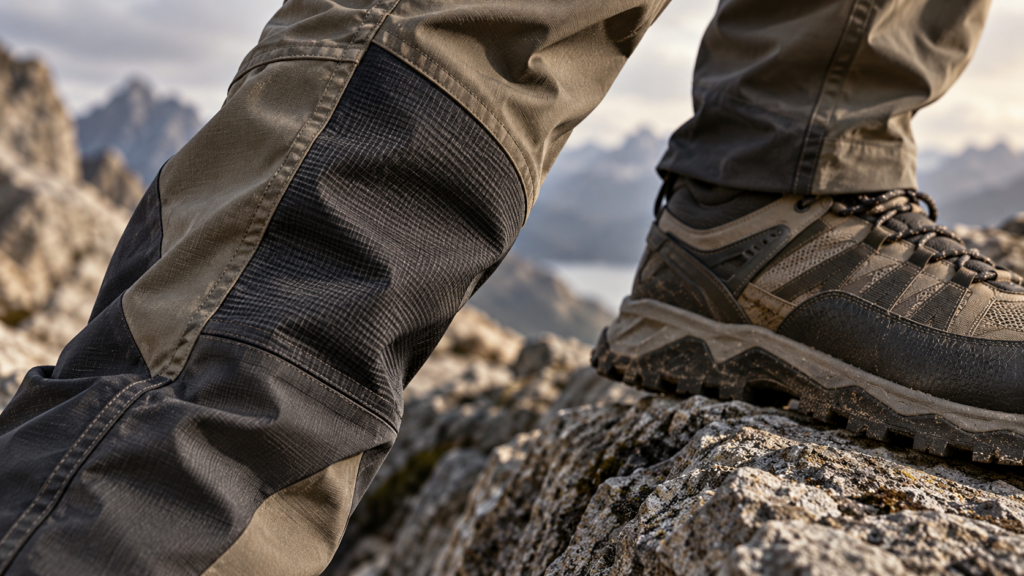
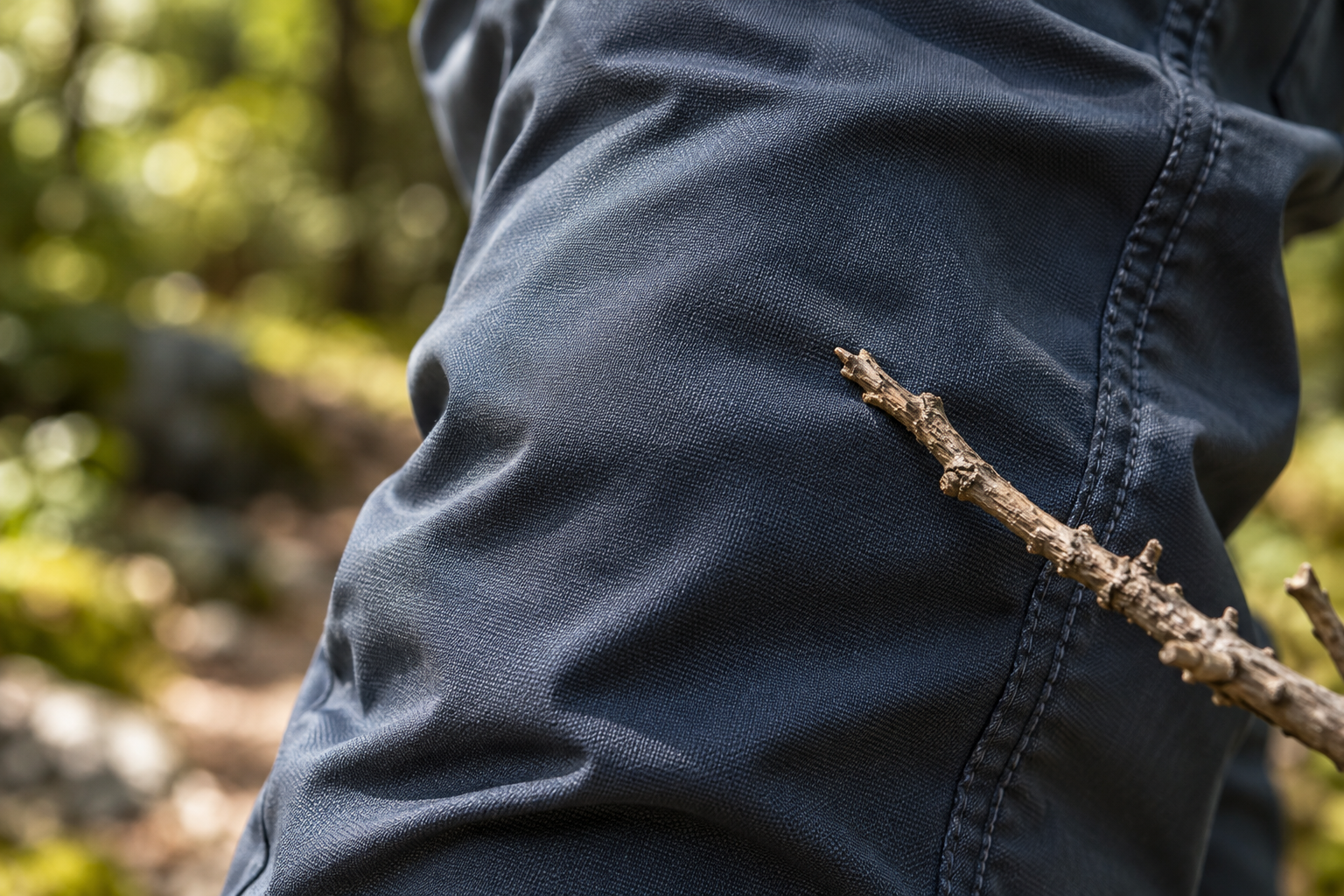
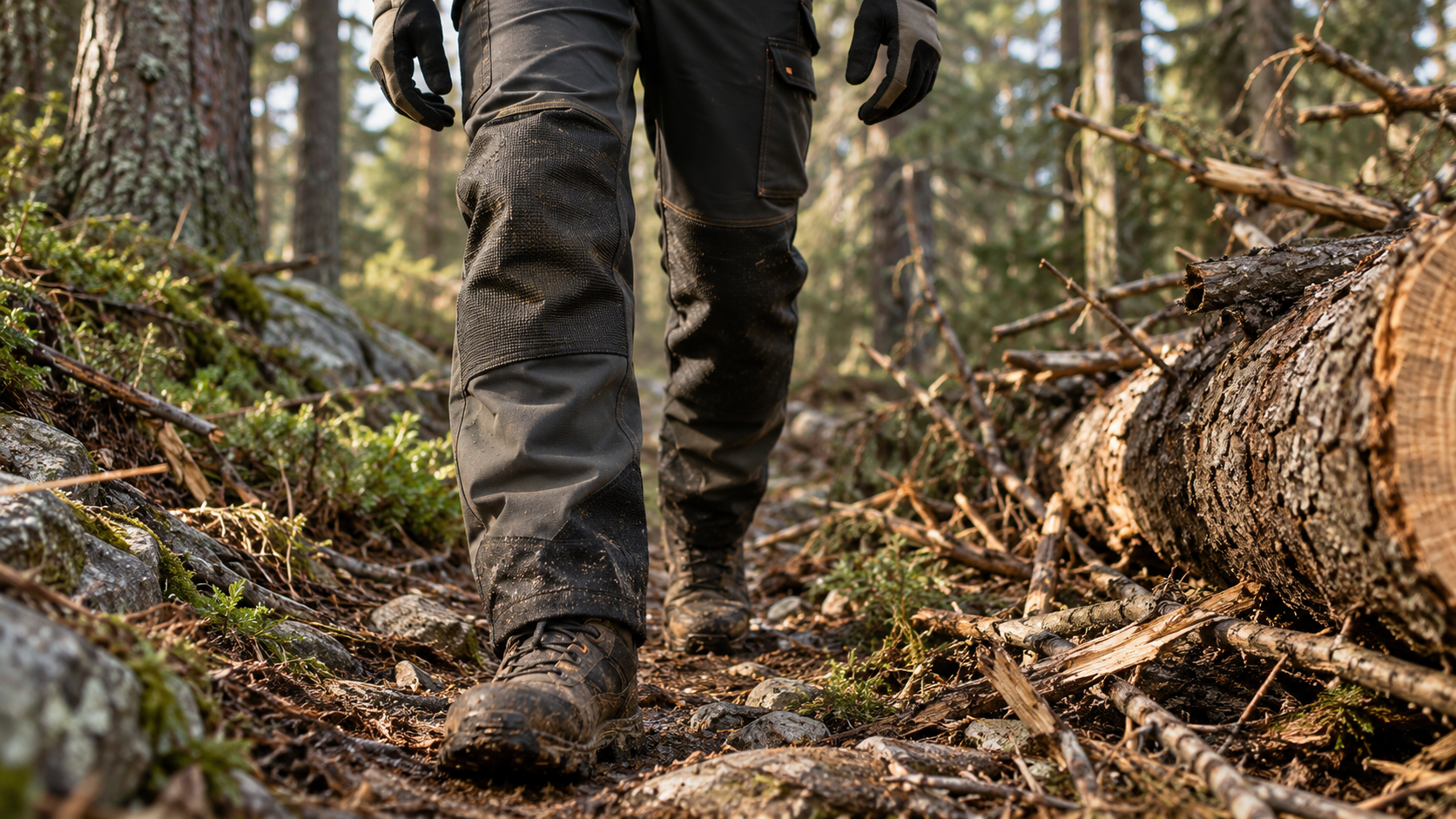
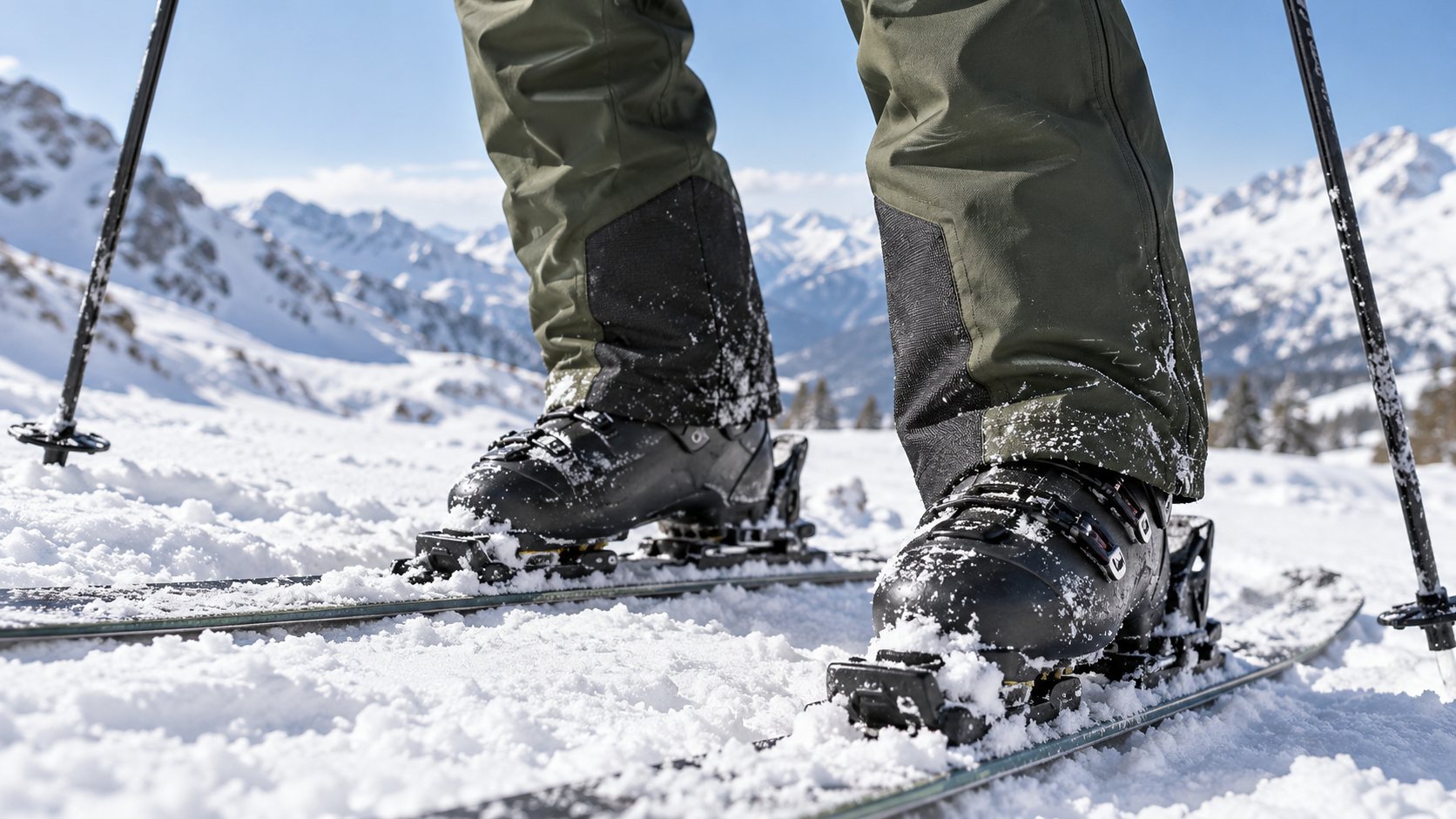
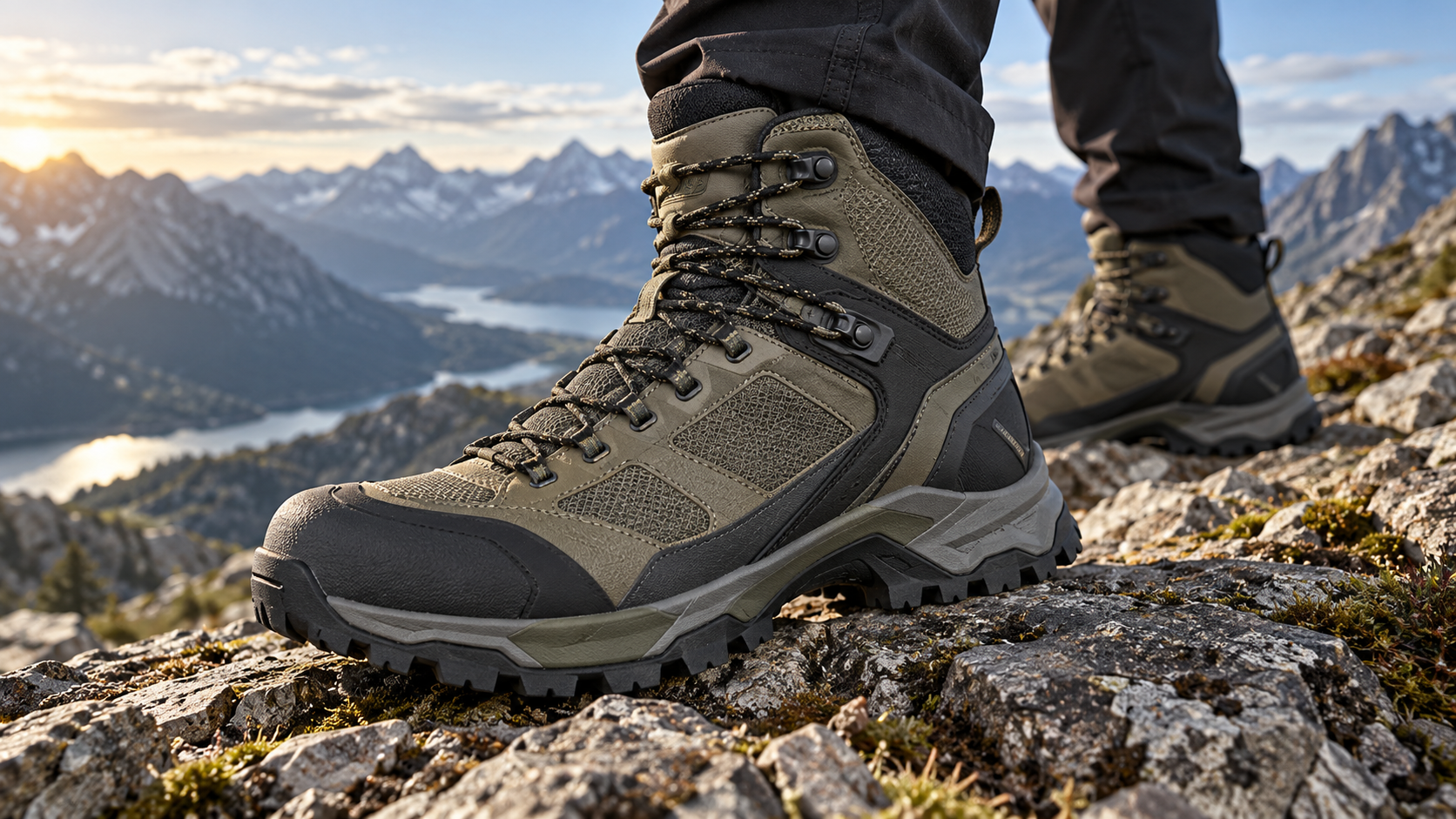
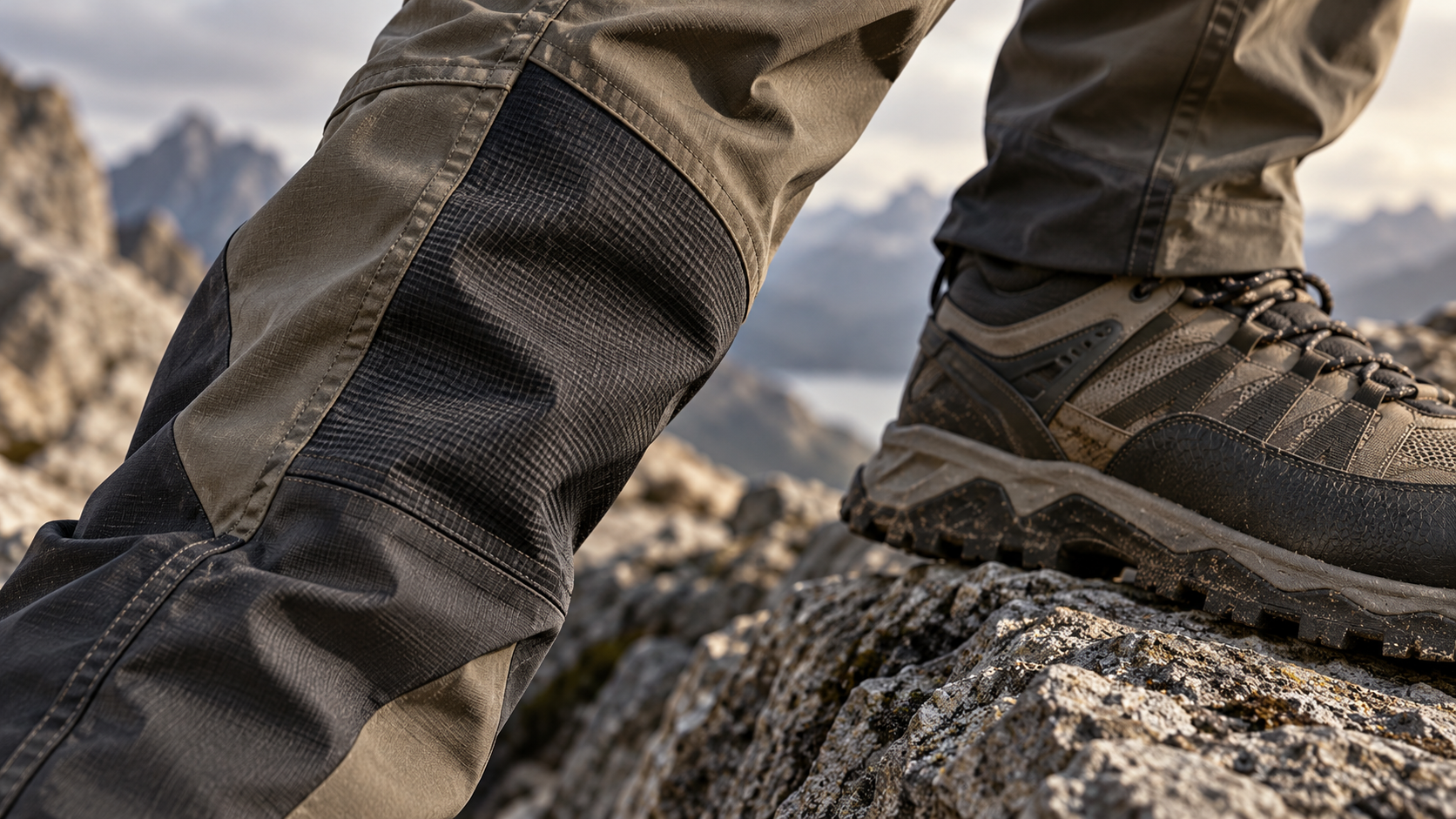
Therefore, reinforcement should not be limited to "adding more material." It must provide strength. exactly where it's needed, but without adding unnecessary weight.
WHEN MORE MATERIAL DOESN'T MEAN BETTER PROTECTION
Traditionally, many garments and technical products have reinforced critical areas using thick materials, additional layers, or rigid components.
This strategy may increase resistance, but it also has consequences:
- greater weight;
- more volume;
- less flexibility;
- more rigid transitions between materials;
- greater complexity of manufacturing;
- and, in some cases, less comfort.
The same challenge is clearly evident in footwear. Traditional reinforcements such as rubber, thick synthetic materials, or multiple stitched layers can protect vulnerable areas, but they can also increase weight and reduce the product's flexibility and breathability.
The question then becomes: How to achieve high mechanical strength with the least amount of material possible?
THE SOLUTION: IBQ-MEC-516
IBQ-MEC-516 is a reinforcing fabric double face plain weave of 190 g/m² Developed to achieve a high strength-to-weight ratio. Its construction combines two high-performance fibers:
78 % PA Cordura®
Located on the outer face to provide high abrasion resistance.
22 % Black Dyneema®
Incorporated to specifically increase tear resistance.
The result is a lightweight structure designed for reinforcement applications where durability is critical but weight must be kept under control.
TWO FIBERS. ONE SYSTEM.
Cordura® and Dyneema® do not perform exactly the same function within the fabric.
The face of Cordura It is designed to withstand continuous contact with abrasive surfaces. Dyneema® It provides high mechanical strength with very little weight, contributing especially to preventing localized damage from easily progressing through the structure.
This combination allows for the development of a reinforcement where each fiber provides a specific function. And to do so with barely any. 190 g/m².
250,000 ABRASION CYCLES
A reinforcement zone must withstand repeated contact throughout the product's lifespan.
IBQ-MEC-516 reaches 250,000 abrasion cycles according to UNE-EN ISO 12947-2, compared to the 100,000 cycles of the generic mechanical fabric used as a comparative reference.
This resistance is especially relevant in applications where certain areas are continuously exposed to friction: knees, trouser hems, sides, pockets, areas of contact with equipment, toes or heels.
It's not just about withstanding a single impact. It's about enduring. thousands of tiny contacts accumulated during use.
UP TO 500 N TEAR STRENGTH
Abrasion is only part of the problem. In forest and outdoor environments, fabrics can also get caught on branches, rocks, tools, or other elements capable of generating a localized concentration of stress.
IBQ-MEC-516 achieves a tear resistance of up to 500 N in both warp and weft according to EN ISO 13937-2. This feature makes the fabric a particularly interesting solution for areas where a small snag shouldn't quickly turn into a bigger problem.
SNAGGING: WHEN A BRANCH ENCOUNTERS THE TISSUE
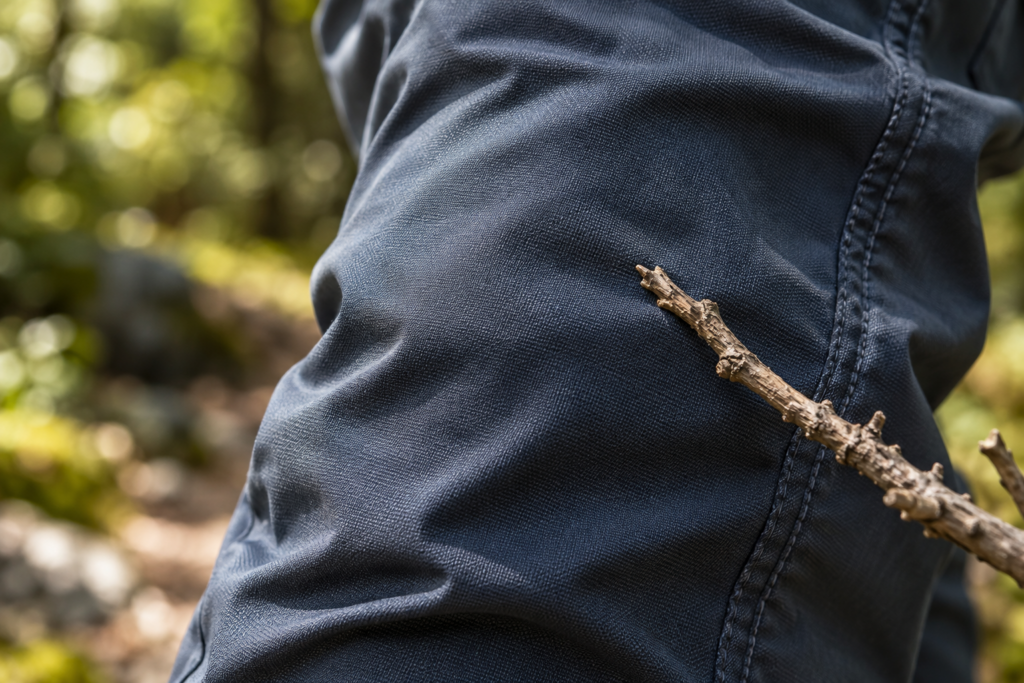
In forestry and outdoor applications there is another particularly important phenomenon: the snagging.
This occurs when a fiber or thread is caught by an external object—such as a branch, hook, rough edge, or piece of equipment—and is pulled out of the fabric's original structure. This can result in pulled threads, visible loops, warping, or localized damage.
The standard ASTM D3939 It allows for a standardized evaluation of a tissue's resistance to this type of damage using the Mace Snag Test.
In a garment designed for use in forests or mountains, this behavior is especially relevant. Snagging resistance not only helps maintain the product's visual integrity but also prolongs its perceived quality and durability.
LESS WEIGHT. GREATER MATERIAL EFFICIENCY.
The true value of IBQ-MEC-516 lies not only in achieving high resistance figures. It lies in How much resistance can be obtained with just 190 g/m².
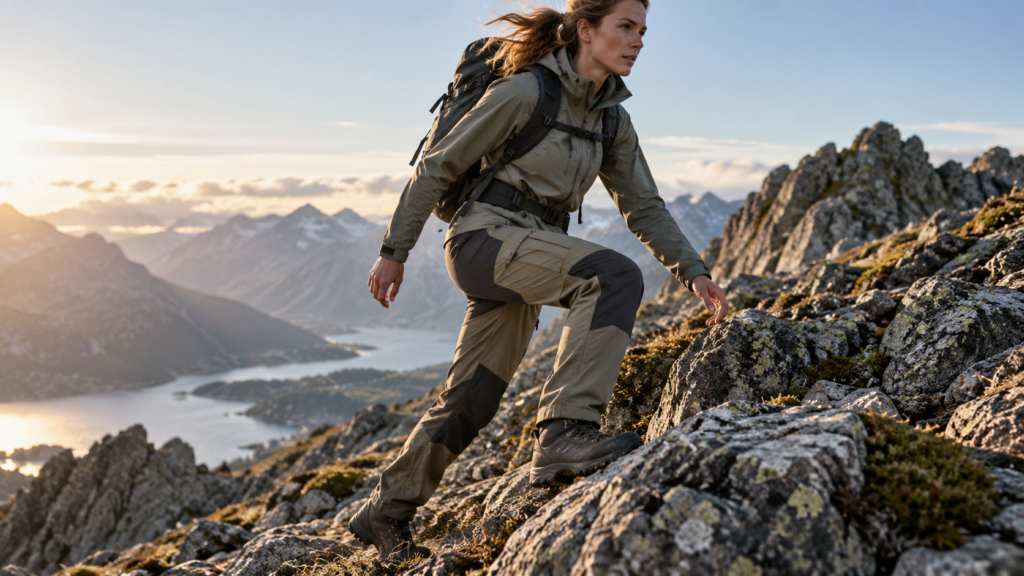
In trousers, this means being able to reinforce critical areas without making the entire garment bulky. In footwear, it means protecting toes, heels, or side panels without necessarily resorting to multiple thick layers. And in outdoor gear, it means helping to develop products designed for demanding environments while maintaining freedom of movement and efficiency.
AN OPTION FOR MORE DEMANDING CLIMATIC CONDITIONS
IBQ-MEC-516 is also available in different configurations.
The standard version incorporates a finish Water Repellent PFAS Free, while the version IBQ-MEC-516-TRC-WR It incorporates a waterproof and breathable membrane with a polyamide tricot backing, bringing the weight to 250 g/m². A seam tape developed to complement this construction is also available.
This allows the reinforcement concept to be adapted not only to the mechanical needs of the application, but also to the expected environmental conditions.
THE RESULT
DURABILITY WHERE IT REALLY MATTERS
IBQ-MEC-516 allows for rethinking how reinforcement zones are constructed.
Instead of adding layers and weight in a generalized way, the fabric allows performance to be concentrated in the areas subjected to the greatest wear and tear.
The result is a combination of:
- 190 g/m² lightweight construction
- Cordura® for abrasion resistance
- Black Dyneema® for high tear resistance
- 250,000 abrasion cycles
- up to 500 N tear resistance in both directions
- High durability for outdoor, workwear and footwear applications
WHERE CORDURA® MEETS DYNEEMA®
In a demanding environment, the best reinforcement solution shouldn't simply be the thickest. It should be the one that provides the necessary protection with the right amount of material. IBQ-MEC-516 combines two high-performance fibers within a lightweight construction designed to withstand the stresses of other materials.
In the forest.
In the mountains.
In the snow.
And at every step.
ENGINEERED FOR ENDURANCE. DESIGNED TO EXPLORE.
YOU DO. WE PROTECT.